Sobre Giethoorn
Giethoorn - A Aldeia Aquática de Conto de Fadas dos Países Baixos
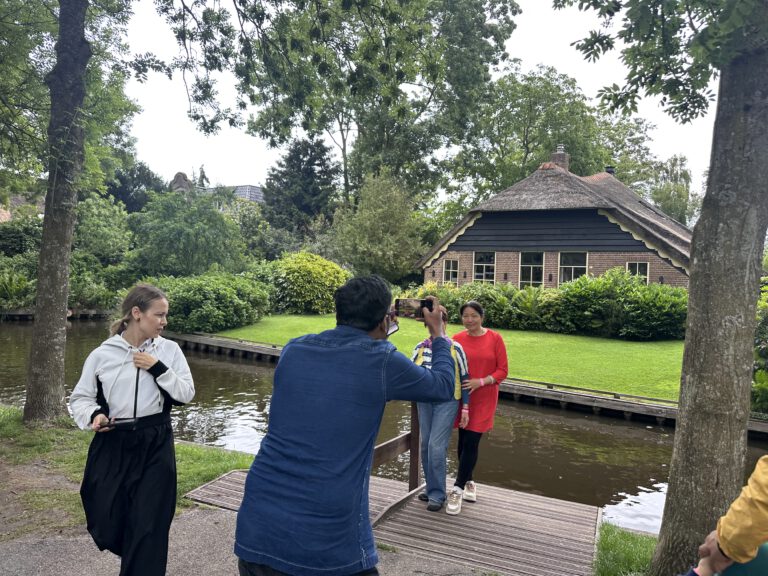
Giethoorn é uma aldeia nos Países Baixos diferente de todas as outras - um lugar onde os barcos são o único meio de transporte, onde os telhados de colmo se alinham em canais estreitos e onde o suave ruído da água substitui o zumbido do trânsito. Esta pequena aldeia de 2.800 habitantes cativou viajantes de todo o mundo, ganhando a sua reputação como a Veneza holandesa através de séculos de vida baseada na água.
Porquê visitar Giethoorn?
Descubra o que faz desta aldeia holandesa um dos destinos mais extraordinários da Europa. Desde as suas ruas sem carros até à sua zona húmida protegida, todos os aspectos da países baixos giethoorn oferece algo que não se encontra em mais lado nenhum.
- Centro de aldeia sem carros - O coração histórico de Giethoorn não tem estradas. O acesso às casas é feito apenas por barco ou por um caminho pedestre, criando uma atmosfera de total tranquilidade que a maioria das pessoas nunca experimentou numa cidade de trabalho.
- 176 pontes históricas de madeira - Estas estruturas encantadoras ligam as pequenas ilhas ao longo da aldeia, cada uma oferecendo um ponto de observação perfeito sobre os estreitos canais abaixo. Passeie a pé ou de bicicleta pelas pontes que servem esta comunidade há gerações.
- Telhados de colmo autênticos - As casas de quinta que ladeiam os canais de Giethoorn apresentam telhados de colmo tradicionais que remontam ao século XVIII. Estas estruturas icónicas foram construídas de forma leve para o solo macio e saturado de água e continuam a ser utilizadas como casas de família atualmente.
- Parque Nacional de Weerribben-Wieden - A aldeia situa-se na maior zona húmida de água doce do noroeste da Europa, que alberga espécies raras de aves, flora e fauna diversificadas e extensos campos de juncos que se estendem para além do horizonte.
- Património vivo da extração de turfa - Toda a paisagem que se vê - os canais, os lagos pouco profundos, as faixas de terra entre os cursos de água - foi criada à mão ao longo de séculos de extração de turfa. Trata-se de engenharia ambiental a uma escala notável.
Quando experiência giethoorn, Em Lisboa, o visitante descobre porque é que mais de 2 milhões de visitantes anuais fazem esta viagem. A aldeia oferece algo cada vez mais raro no nosso mundo agitado: paz genuína, história autêntica e um modo de vida que permanece ligado à água.
Experimente a magia da aldeia sem carros da Holanda, onde a vida flui ao longo de 176 pontes de madeira
Quando se visita Giethoorn, entra-se numa paisagem moldada por 800 anos de engenho humano. O encantador centro da aldeia não tem estradas, nem carros - apenas canais sinuosos, passadiços de madeira e o ritmo tranquilo da vida quotidiana que flui ao longo dos seus muitos canais. Quer chegue com a esperança de escapar às multidões de Amesterdão ou procure uma autêntica experiência rural holandesa, a aldeia de Giethoorn oferece algo genuinamente raro: uma comunidade viva onde a água continua a ser o coração da existência.
Situada no coração do Parque Nacional Weerribben Wieden - a maior zona húmida de água doce do noroeste da Europa - esta bela aldeia oferece muito mais do que uma paisagem pitoresca. Conta a história de cortadores de turfa medievais que esculpiram uma paisagem a partir de pântanos, de habitantes locais que se adaptaram à vida em pequenas ilhas e de uma comunidade que continua a prosperar enquanto recebe mais de 2 milhões de turistas anualmente.
Como conhecer Giethoorn
Planear a sua primeira visita é simples depois de perceber como funciona esta aldeia única. Siga estes passos para tirar o máximo partido da sua viagem a este canto pacífico dos Países Baixos.
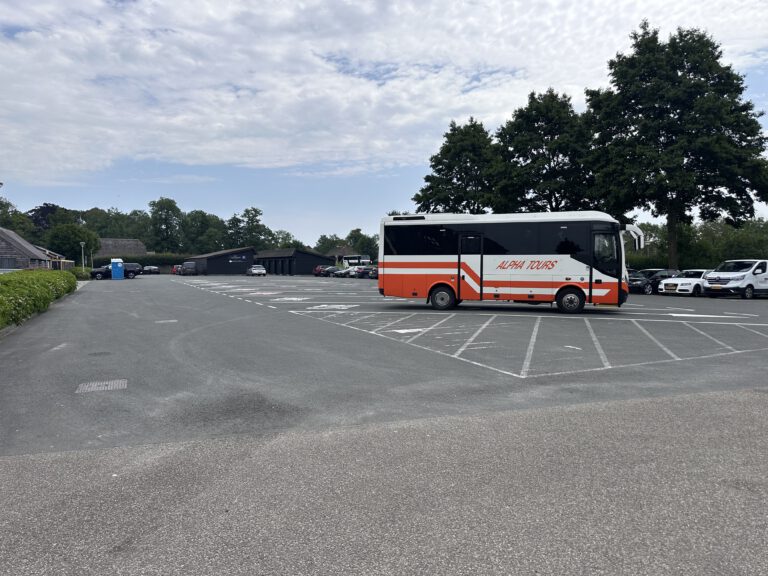
Passo 1: Chegar e estacionar fora do centro da aldeia
Uma vez que os carros não podem entrar no centro histórico, é necessário estacionar em áreas designadas na periferia. Vários parques de estacionamento servem os visitantes e, a partir daí, pode ir a pé, de bicicleta ou de barco até à aldeia. Se preferir evitar o incómodo de conduzir, considere reservar um transfer direto de Amesterdão - é a opção mais confortável para a maioria das pessoas.
Giethoorn Transfer de Amesterdão
Passo 2: Escolha o seu método de exploração
A aldeia oferece múltiplas formas de descobrir a sua beleza:
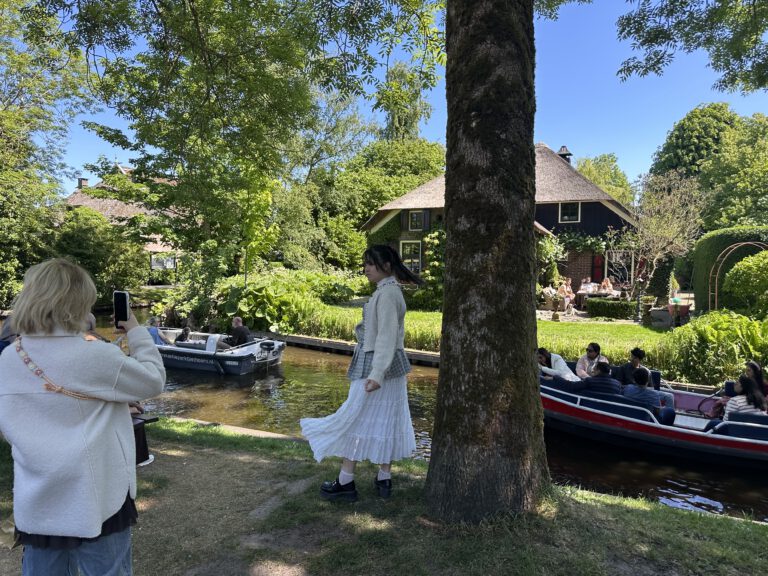
- Alugue o seu próprio barco para explorar à sua vontade
- Participe num cruzeiro pelo canal com um skipper profissional que partilha a história local
- Percorrer os caminhos pedonais que ligam as pontes e as ilhas
- Alugue bicicletas para percorrer mais terreno enquanto se mantém perto da água
Etapa 3: Visitar o coração cultural de Giethoorn
Para mais informações sobre a viagem ou para entrar em contacto, visite o nosso página de contacto.
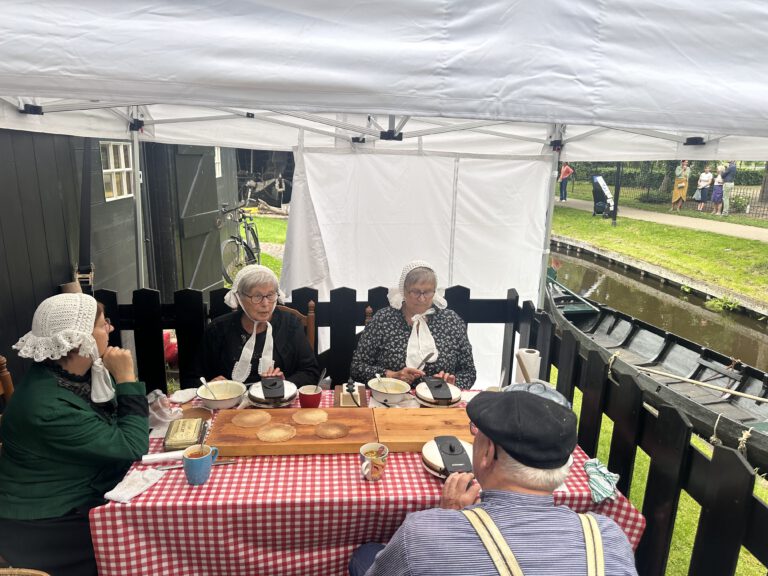
O Museu Giethoorn ‘t Olde Maat Uus oferece uma experiência imersiva de como os aldeões viviam há mais de 100 anos. Instalado numa autêntica quinta, o museu apresenta interiores históricos, barcos tradicionais e as ferramentas utilizadas pelos trabalhadores da turfa. Em dias especiais, os funcionários vestem roupas tradicionais e preparam panquecas. A igreja da aldeia, no coração de Giethoorn, abre diariamente e acolhe as cerimónias dominicais - poderá até assistir à chegada de um casal de noivos de barco.
Etapa 4: Descobrir a paisagem que os séculos criaram
Para mais informações sobre a viagem ou para entrar em contacto, visite o nosso página de contacto.
O Museu Giethoorn ‘t Olde Maat Uus oferece uma experiência imersiva de como os aldeões viviam há mais de 100 anos. Instalado numa autêntica quinta, o museu apresenta interiores históricos, barcos tradicionais e as ferramentas utilizadas pelos trabalhadores da turfa. Em dias especiais, os funcionários vestem roupas tradicionais e preparam panquecas. A igreja da aldeia, no coração de Giethoorn, abre diariamente e acolhe as cerimónias dominicais - poderá até assistir à chegada de um casal de noivos de barco.
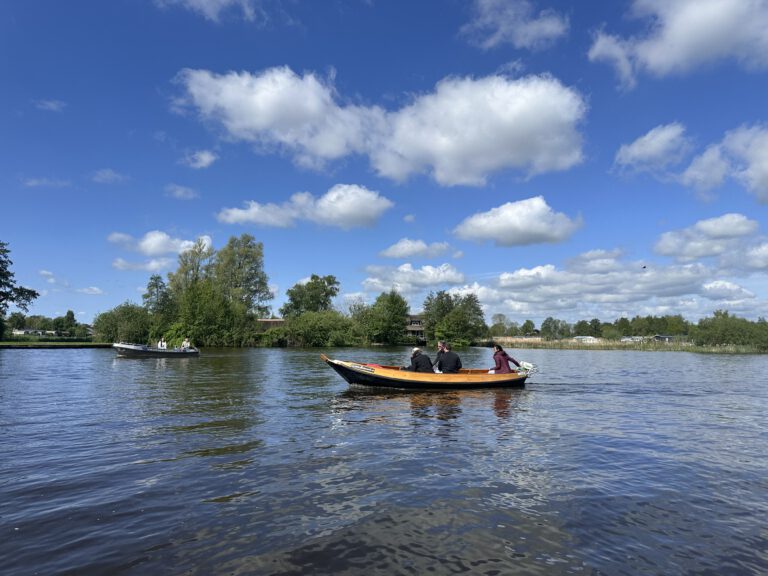
O que torna a Giethoorn diferente?
Isto não é um museu ao ar livre. Quando se caminha por Giethoorn, caminha-se entre as casas das pessoas. Compreender o que torna esta aldeia holandesa especial ajuda-o a compreender por que razão merece uma visita respeitosa.
- Uma comunidade ativa de 2.800 habitantes - Famílias reais vivem aqui durante todo o ano, criando filhos, trabalhando e mantendo tradições que remontam a séculos. A aldeia funciona como uma comunidade completa e não como uma atração patrimonial.
- Autênticos barcos de pesca em utilização - O tradicional punter - movido por uma longa vara empurrada contra o leito do canal - continua a ser a embarcação icónica do giethoorn. Embora atualmente sejam vistos principalmente durante as manifestações, estes barcos representam o método de transporte que sustentou a vida da aldeia durante gerações.
- Entrega de correio por água - Nas zonas acessíveis por canal, os carteiros ainda utilizam barcos para chegar aos residentes. Esta adaptação prática demonstra como as infra-estruturas hídricas servem completamente as necessidades quotidianas.
- 800 anos de história de extração de turfa visíveis hoje - Cada canal, cada lago pouco profundo, cada fundação de casa numa ilha representa trabalho humano deliberado. Os trabalhadores escavaram turfa por baixo da superfície da água, criando a paisagem que agora atrai visitantes de todo o mundo.
- Reconhecimento internacional - Em 2015, giethoorn venceu 182 destinos em todo o mundo para aparecer numa edição internacional do Monopólio. Esta atenção global trouxe novas vagas de turistas, incluindo muitos turistas chineses que descobriram a aldeia através das redes sociais.
A diferença entre Giethoorn e outros destinos turísticos é a autenticidade. Os habitantes locais ainda vivem aqui, ainda estacionam os seus carros fora do centro, ainda usam barcos para o transporte diário. Não está a visitar uma recreação - está a visitar uma aldeia viva.
Vozes dos nossos convidados
O que dizem os visitantes
Da Alemanha
A luz da manhã nos canais deixou-me sem fôlego. Chegámos cedo, antes dos outros turistas, e tivemos a aldeia quase só para nós. O sossego era diferente de tudo o que já tinha experimentado. - Visitante recente da Alemanha
Dos Estados Unidos
Alugar o nosso próprio barco foi o ponto alto da nossa viagem aos Países Baixos. Os barcos de sussurro são tão fáceis de operar e deslizar pelos canais estreitos foi como entrar noutro mundo completamente diferente.” - Viajante em família dos Estados Unidos
Do Reino Unido
Ouvimos falar de Giethoorn através de amigos e receámos que fosse demasiado movimentado. Visitar no outono fez toda a diferença - pacífico, bonito, e pudemos realmente conectar-nos com o local em vez de lutar contra multidões.” - Casal do Reino Unido
Da Austrália
O museu deu-nos uma visão real de como era difícil a vida dos cortadores de turfa. Compreender a história tornou a paisagem muito mais significativa quando depois explorámos de barco.” - Viajante individual da Austrália
Dos Emirados Árabes Unidos
Foi espetacular! O Mike e o Tom são maravilhosos no seu trabalho como guias turísticos. Nunca se aborrecerão e não tenho uma única queixa. O Mike tratou de tudo muito bem. Ele garante que toda a gente é bem-vinda desde o ponto de recolha, durante a viagem até Giethoorn e no regresso'' - Celeste - Emirados Árabes Unidos
Da Irlanda
Tivemos uma viagem de um dia tão maravilhosa com o Mike da Tulip Tours a Giethoorn! Toda a experiência foi tranquila, divertida e muito bem organizada. Mike não é apenas conhecedor e descontraído, mas também genuinamente gentil. Fui com o meu namorado e ambos nos divertimos imenso. ” - Viajante familiar da Irlanda
Opções de visita e planeamento
Quer prefira uma viagem organizada de um dia ou uma exploração independente, existem várias opções para conhecer esta cidade única. Planeie com antecedência, especialmente durante a época alta, para garantir a experiência que deseja.
Como chegar a Giethoorn
De Amesterdão:
- Os serviços de transfer direto oferecem a opção mais conveniente - cerca de 90 minutos de porta a porta, sem o incómodo de navegar nas ligações de transportes públicos
- Os transportes públicos exigem uma mudança de comboio e ligações de autocarro, o que torna a viagem mais longa e mais complexa
- A condução autónoma demora aproximadamente 90 minutos; estacionar em áreas designadas fora do centro da aldeia
De transportes públicos: Enquanto giethoorn é acessível por comboio e autocarro, Se a viagem for feita em autocarro, a viagem envolve várias ligações e pode prolongar significativamente o tempo de viagem. Para a maioria das pessoas, especialmente as que têm um horário apertado, um transfer direto de Amesterdão poupa tempo e preocupações consideráveis.
A aldeia oferece uma vasta gama de barcos de aluguer para todas as preferências:
- Barcos de sussurro - Barcos eléctricos que funcionam silenciosamente, perfeitos para uma exploração tranquila
- Barcos de luxo - Embarcações maiores para grupos que desejam mais conforto
- Canoas e caiaques - Opções activas para quem pretende fazer exercício com a sua exploração
- Pranchas de SUP - Para os visitantes que se sentem confortáveis com a prática de stand-up paddle
- Cruzeiro no canal com skipper - Ideal para aqueles que preferem comentários guiados e querem simplesmente apreciar a paisagem
Onde ficar
Passar uma noite transforma a sua experiência em Giethoorn. Depois de os outros turistas partirem, a aldeia revela o seu verdadeiro carácter pacífico.
- Hotel de Harmonie - Localização central com vista para o canal
- Hotel De Pergola - Hospitalidade tradicional holandesa
- B&Bs locais - Opções íntimas para viajantes que procuram estadias em casas autênticas
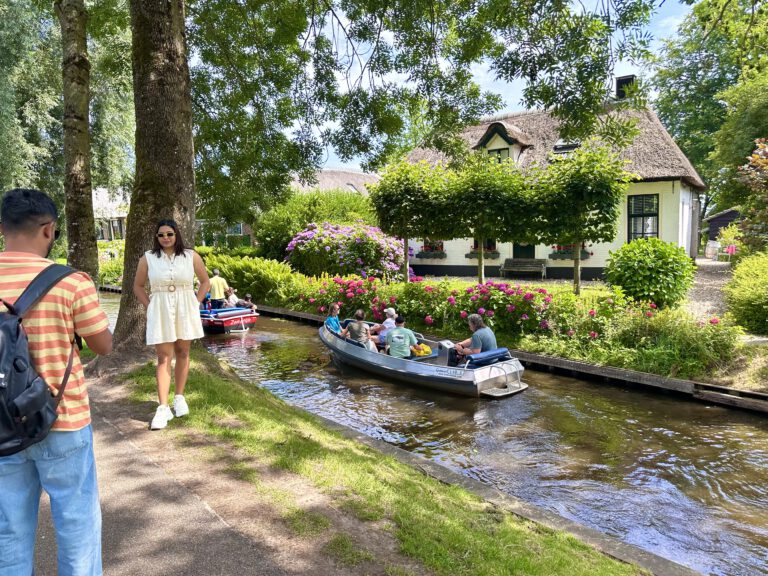
Esqueça a correria do meio-dia de verão se quiser paz. As experiências mais gratificantes são para aqueles que programam a sua visita de forma estratégica.
Melhores alturas para visitar
| Tempo | Experiência |
|---|---|
| De manhã cedo | Partida antecipada para quem pretende evitar as multidões nocturnas |
| primavera (abril-maio) | Partida a meio da tarde para um horário descontraído |
| Meio-dia julho-agosto | Pico de multidões, cursos de água movimentados - considere chegar cedo ou ficar até tarde |
As suas perguntas sobre Giethoorn
Respostas às perguntas mais frequentes dos visitantes sobre esta aldeia extraordinária.
Como foi fundada Giethoorn e porque é que se chama “chifre de bode”?
Giethoorn foi fundada por volta de 1230, quando os colonos se mudaram para esta zona pantanosa. Quando chegaram, descobriram centenas de cornos de cabras selvagens no solo - restos de animais que pereceram durante as grandes cheias do século XII. A povoação chamava-se originalmente Geytenhoren, que significa “chifres de cabra”, tendo evoluído com o tempo para o nome que usamos atualmente.
Por que razão é chamada a Veneza dos Países Baixos?
A comparação com a Veneza do Norte surgiu de semelhanças notáveis: muitos canais e vias navegáveis, ausência de estradas no centro histórico, pontes de madeira que ligam pequenas ilhas e transportes aquáticos como principal meio de deslocação. No entanto, ao contrário de Veneza, Giethoorn oferece uma experiência mais calma e ecológica, com barcos eléctricos silenciosos e um ambiente natural de zonas húmidas.
Será que os residentes podem realmente viver sem carros no centro da aldeia?
Sim. No centro histórico da aldeia, não há de facto estradas. O acesso às casas é feito apenas por barco ou por caminho pedonal. Os habitantes locais estacionam os seus carros fora do centro e utilizam barcos ou bicicletas para o transporte diário. Isto não é um truque turístico - reflecte a história de 800 anos de vida na água da aldeia.
Quantas pontes ligam as ilhas e quando foram construídas?
Cerca de 176 pontes para peões e ciclistas ligam as ilhas de Giethoorn. Estas estruturas foram construídas e reconstruídas ao longo dos séculos, sendo que as pontes actuais mantêm o design tradicional em madeira que define o carácter da aldeia.
O que é um barco de aluguer e como é que os turistas o podem utilizar?
O punter é o barco tradicional do Giethoorn, movido por uma vara comprida encostada ao leito do canal. No passado, os punters serviam a agricultura, o transporte e o trabalho da turfa. Atualmente, aparecem sobretudo durante demonstrações e eventos especiais. A maioria dos turistas utiliza barcos modernos ou barcos de aluguer com motor, que são mais fáceis de manobrar sem experiência.
Quando é que o corte da turfa moldou a paisagem e porquê?
O corte da turfa moldou esta paisagem ao longo de aproximadamente 800 anos. A turfa era uma fonte de combustível essencial em toda a Holanda durante os períodos medieval e moderno. Os trabalhadores extraíam a turfa por baixo da superfície da água, criando os longos e estreitos lagos e canais que vemos atualmente. É por causa deste processo de extração que os lagos permanecem relativamente pouco profundos e que os edifícios se situam em faixas estreitas de terreno.
Quantos turistas visitam a aldeia anualmente e qual é a sua população?
Giethoorn tem aproximadamente 2.800 residentes permanentes e recebe mais de 2 milhões de visitantes anualmente. Isto cria um rácio visitante/residente de cerca de 714:1, o que explica por que razão a gestão sustentável do turismo se tornou uma prioridade para a comunidade.
O Giethoorn é adequado para famílias com crianças e é acessível a cadeiras de rodas?
As famílias com crianças podem desfrutar de aluguer de barcos, visitas a museus e passeios ao longo das pontes. Os barcos Whisper são fáceis de utilizar e seguros. A acessibilidade para cadeiras de rodas varia - alguns caminhos e barcos adaptam-se às necessidades de mobilidade, mas a infraestrutura da aldeia histórica apresenta desafios em determinadas áreas. Contacte as empresas de aluguer e os fornecedores de alojamento específicos para confirmar a acessibilidade antes da sua visita.
Qual é a melhor altura do dia e a melhor época para evitar multidões?
O início da manhã oferece as condições mais calmas, seguido do final da tarde, quando os excursionistas começam a partir. A primavera (abril-maio) e o outono oferecem menos multidões do que o verão. Em julho e agosto, as horas do meio-dia representam o pico de congestionamento - se possível, planeie em torno destas horas.
É possível visitar Giethoorn a partir de Amesterdão num só dia?
Sim, uma viagem de um dia a partir de Amesterdão é viável e popular. Os serviços de transferência direta demoram aproximadamente 90 minutos em cada sentido, O tempo de estadia em Giethoorn é de cerca de um mês, o que deixa bastante tempo para o aluguer de barcos, visitas a museus e exploração da aldeia. No entanto, passar uma noite permite-lhe conhecer a aldeia depois de os turistas partirem e durante as horas calmas da manhã - quando Giethoorn revela o seu verdadeiro carácter.
Planeie hoje a sua visita a Giethoorn
A aldeia que captou a imaginação dos viajantes durante décadas aguarda a sua visita. Quer venha por uma hora ou passe a noite, giethoorn oferece uma experiência diferente de qualquer outro lugar nos Países Baixos - ou no mundo.
Evite a complexidade dos transportes públicos e chegue relaxado, pronto para explorar. Os transfers diretos proporcionam a viagem mais confortável para este destino extraordinário.